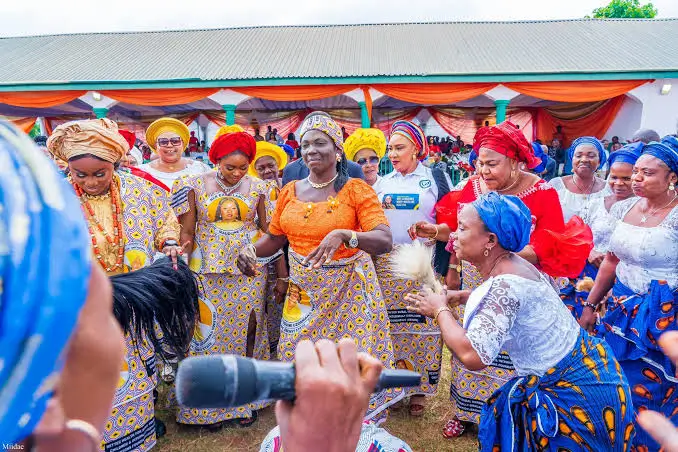
The Rising Influence of Women in Nigeria Political Leadership has become one of the most significant developments in modern governance. Across different regions of the world, women are increasingly occupying positions of authority and contributing to decision-making processes at local, national, and international levels. Their growing participation has been associated with stronger democratic institutions, improved social policies, and greater representation of diverse perspectives. Although challenges continue to exist, remarkable progress has been witnessed in recent decades as more women break barriers and assume leadership roles. This article explores the factors driving this transformation, the impact of female leaders, the obstacles they face, and the future of women’s political participation.
Understanding the Growth of Women’s Political Participation
The Rising Influence of Women in political leadership has been supported by changing societal attitudes, educational advancement, and legal reforms. In many countries, opportunities that were once restricted to men have gradually been opened to women through constitutional amendments, electoral reforms, and equal rights legislation.
Greater access to education has enabled women to acquire the knowledge and skills required for public service and governance. Political awareness has also been strengthened through advocacy campaigns, civic engagement programmes, and the work of women’s organisations. As a result, more women have become involved in political parties, electoral contests, and public administration.
In addition, international efforts promoting gender equality have encouraged governments to increase female representation in decision-making positions. Various institutions have recognised that balanced leadership contributes to more inclusive governance and sustainable development.
Rising Influence of Women in Leadership Positions
The Rising Influence of Women has become increasingly visible in parliaments, government ministries, and executive offices around the world. Women have served as presidents, prime ministers, legislators, governors, and mayors, demonstrating their ability to lead effectively in diverse political environments.
Female leaders have often been recognised for their collaborative leadership styles and commitment to social welfare policies. Areas such as healthcare, education, child welfare, and community development have frequently received greater attention under female leadership. While leadership qualities are not determined by gender, women have brought valuable experiences and perspectives that enrich policy discussions.
The presence of women in prominent political roles has also inspired younger generations. Girls and young women are now more likely to view political leadership as an achievable career path, contributing to a gradual shift in public perceptions regarding gender roles.
The Impact of Women on Governance and Policy
The contribution of women to governance extends beyond representation. Studies and practical experiences have shown that broader participation often results in more comprehensive policymaking. Issues affecting families, vulnerable populations, and marginalised communities are more likely to receive attention when leadership structures reflect the diversity of society.
Women leaders have played important roles in advancing policies related to education, healthcare access, poverty reduction, and gender equality. In many cases, transparent governance practices and community-centred approaches have been promoted through their leadership initiatives.
Furthermore, female participation in peacebuilding and conflict resolution has been increasingly recognised. Women have contributed to negotiations, reconciliation efforts, and community engagement strategies that support long-term stability. Their involvement has often strengthened efforts to build trust and social cohesion within divided societies.
Challenges Facing Women in Politics
Despite significant achievements, many obstacles continue to limit women’s full participation in political leadership. Cultural stereotypes, discrimination, and unequal access to financial resources remain persistent challenges in numerous countries.
Women seeking political office may encounter greater scrutiny than their male counterparts. Their qualifications, leadership styles, and personal lives are often subjected to higher levels of public examination. Such conditions can discourage capable individuals from pursuing political careers.
Political violence and intimidation have also affected female participation in some regions. Online harassment, misinformation campaigns, and gender-based attacks have created additional barriers that must be addressed. Efforts to create safer and more inclusive political environments are therefore considered essential.
Another challenge involves achieving meaningful representation rather than symbolic participation. While numerical increases in female representation are important, genuine influence within decision-making structures remains equally necessary. Women must be provided with opportunities to contribute fully to policy development and governance processes.
The Future of Female Political Leadership
The future of political leadership is expected to be shaped increasingly by gender inclusion and equal opportunity. Continued investment in education, leadership development, and mentorship programmes will be essential for preparing the next generation of female leaders.
Political parties, civil society organisations, and governments have important roles to play in supporting women’s participation. Measures such as leadership training, campaign support, and fair electoral practices can help create a more balanced political landscape.
The Rising Influence of Women is likely to continue expanding as societies recognise the value of diverse leadership. Technological advancement, global connectivity, and growing public awareness have created new platforms through which women can engage in political discourse and advocacy.
As more women assume leadership responsibilities, political systems are expected to become increasingly representative of the populations they serve. The benefits of inclusive governance extend beyond gender equality, contributing to stronger institutions, better policy outcomes, and more responsive leadership. The Rising Influence of Women therefore represents not only a significant social transformation but also an important step towards more effective and equitable governance worldwide.
Leave a Reply